Frameworks for Effective EV Charging Network Deployment
As electric vehicles (EVs) become increasingly mainstream, urban planners and civil engineers face the challenge of integrating efficient EV charging networks into smart city frameworks. Understanding the frameworks for effective deployment is essential for creating a robust infrastructure that meets future demands.
Understanding the Basics of EV Charging Infrastructure
The deployment of EV charging networks is not just about installing charging stations. It involves a comprehensive approach that includes site selection, power supply management, and user accessibility. According to a report by the International Council on Clean Transportation, effective site selection typically considers traffic patterns, proximity to amenities, and user demographics.

"A well-planned charging network can improve accessibility and support the growing demand for electric vehicles." - Industry Expert
Key Frameworks for Deployment
Several frameworks have proven effective in deploying EV charging networks. These frameworks often include the following elements:
- Assessment of Local Needs: Conducting surveys and analyses to understand user behavior and preferences can lead to more effective station placements. Many experts recommend using data analytics tools for this purpose.
- Integration with Smart City Technologies: Implementing smart technologies such as real-time monitoring systems can enhance user experience and optimize energy use. Research indicates that cities utilizing integrated technologies experience operational efficiencies.
- Partnerships with Stakeholders: Collaborating with local businesses, utility providers, and government entities can facilitate funding and resource sharing. Studies show that such partnerships are crucial for overcoming financial and logistical barriers.
Challenges and Limitations
While many frameworks exist, it is important to acknowledge that they come with limitations. For example, the time required to assess local needs can typically take several months, depending on the area's size and complexity. Additionally, integrating smart technologies requires a substantial upfront investment, which may not be feasible for all municipalities.
Practical Steps for Implementation
For urban planners and civil engineers, the following steps can facilitate effective EV charging network deployment:
- Conduct Comprehensive Feasibility Studies: Assessing the local electric grid capacity and potential demand can help identify suitable locations for charging stations.
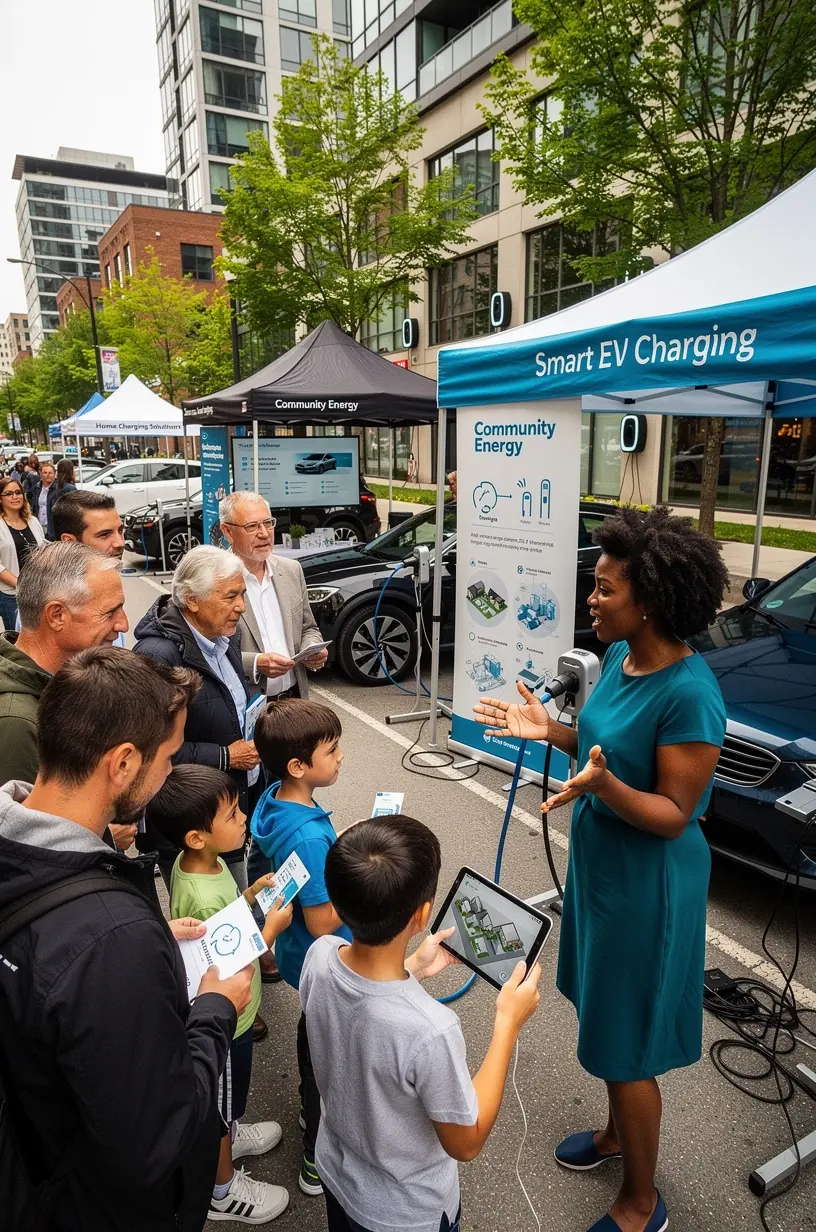
- Engage with the Community: Gathering feedback from local residents and businesses can ensure that the deployed solutions align with users’ needs and preferences.
- Monitor and Adapt: After deployment, continuously monitor the usage patterns of charging stations and adjust placements or technology as needed to optimize efficiency.
Conclusion
Deploying an effective EV charging network requires a thoughtful approach that integrates various frameworks, local needs, and smart city technologies. By understanding the principles behind these frameworks and acknowledging the challenges, urban planners and civil engineers can create an infrastructure that supports sustainable urban mobility. As studies show, communities that invest in well-planned EV infrastructure may experience improved accessibility and a reduction in greenhouse gas emissions, positioning them as leaders in the transition to electric mobility.