Technical Considerations for Designing Public Charging Solutions
As electric vehicles (EVs) continue to gain popularity, urban planners and civil engineers are increasingly tasked with integrating public charging solutions into existing infrastructures. This article explores the technical considerations necessary for designing effective EV charging networks that align with smart city technologies.
Understanding the Basics of EV Charging Infrastructure
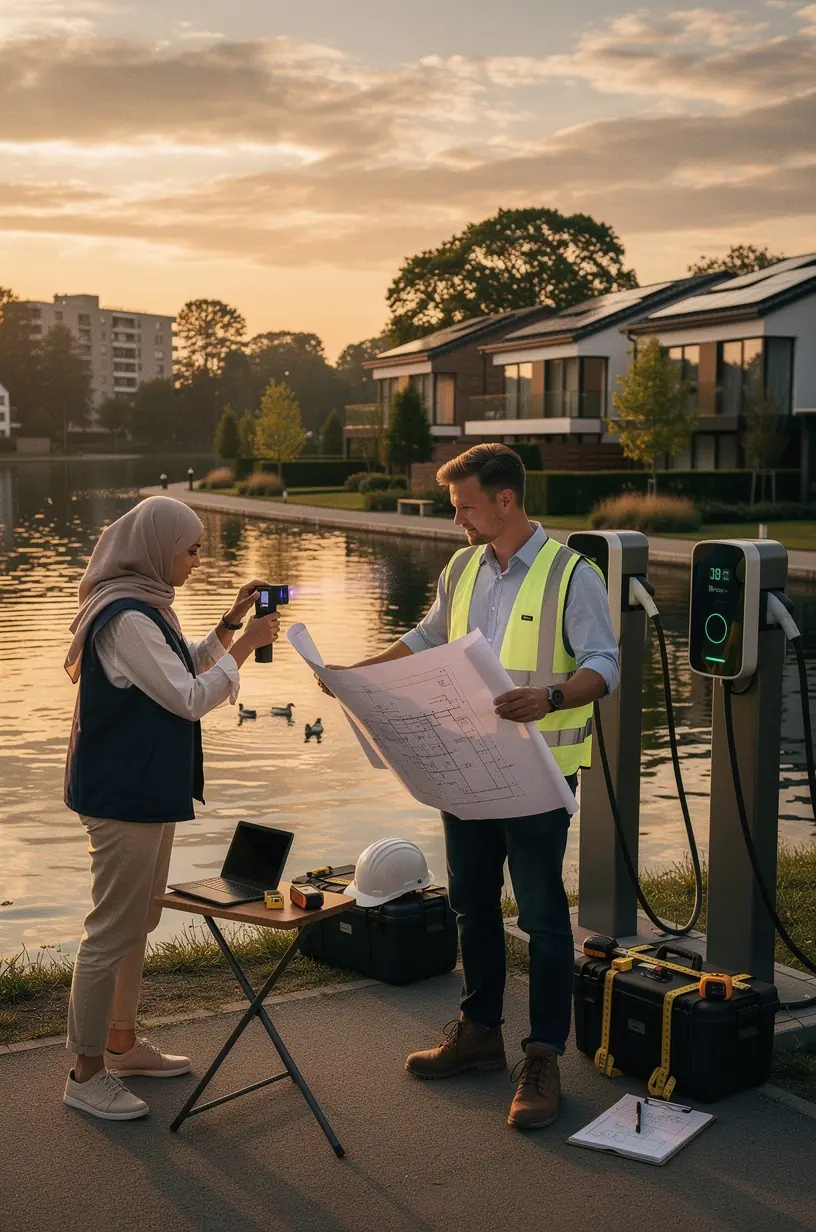
Designing public charging solutions requires a deep understanding of various technical aspects. Location is crucial; studies show that strategically placing charging stations in high-traffic areas can significantly enhance usage rates. According to industry experts, user accessibility should also be prioritized, which often involves ensuring that charging stations are within a short walking distance from key amenities, such as parks, shopping centers, and public transportation hubs.
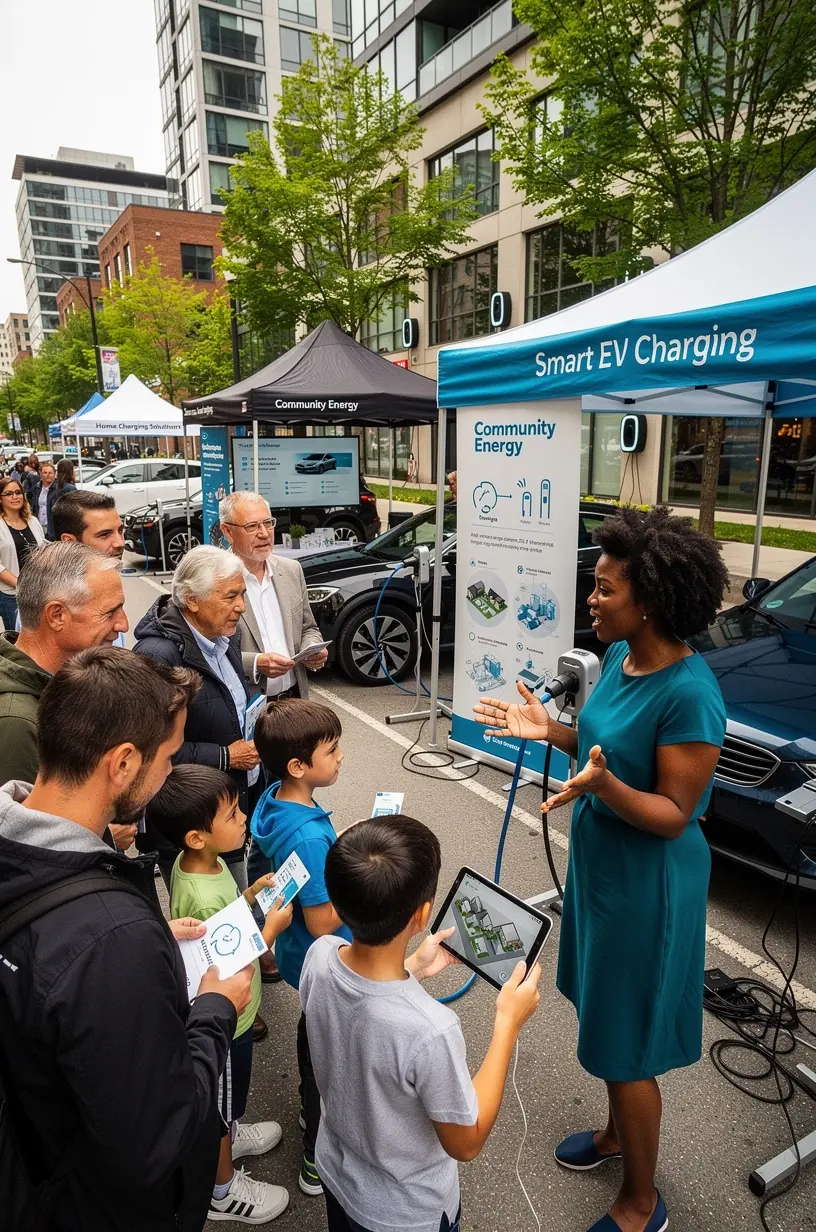
"A well-placed charging station can increase EV adoption rates by making the technology more accessible to everyday users." - Industry Expert
Key Technical Considerations
- Power Supply Capacity: The charging infrastructure must be able to support various charging speeds, from Level 1 (slow) to Level 3 (fast). Research indicates that fast charging solutions can reduce the dwell time at charging stations, making them more user-friendly.
- Grid Integration: Effective public charging solutions need to consider how they will interact with the existing power grid. According to studies, integrating renewable energy sources, such as solar or wind, can provide a sustainable solution that minimizes environmental impact.
- Smart Technology Integration: Utilizing smart technology, such as real-time data monitoring and user-friendly apps, can enhance the EV charging experience. This technology allows users to locate charging stations, monitor availability, and even reserve spots, thus optimizing usage.
Challenges and Limitations
Despite the advancements in EV charging infrastructure, several challenges remain. For instance, installing charging stations typically requires coordination with local governments and utility companies, which can extend project timelines by several months. Furthermore, the initial investment in infrastructure can be substantial, making it a potential barrier for cities with limited budgets.
Moreover, not all locations are ideal for charging station deployment. As noted in industry standards, urban planners must evaluate factors such as land availability, existing utilities, and future urban development plans to determine the most suitable locations.
Concluding Thoughts
In summary, designing public charging solutions for electric vehicles involves a blend of technical expertise, strategic planning, and user accessibility considerations. While challenges exist, urban planners and civil engineers can develop effective EV charging networks by following established industry practices and leveraging new technologies. This proactive approach not only supports the growing demand for electric vehicles but also contributes to the overall efficiency and sustainability of smart urban environments.
Learn More