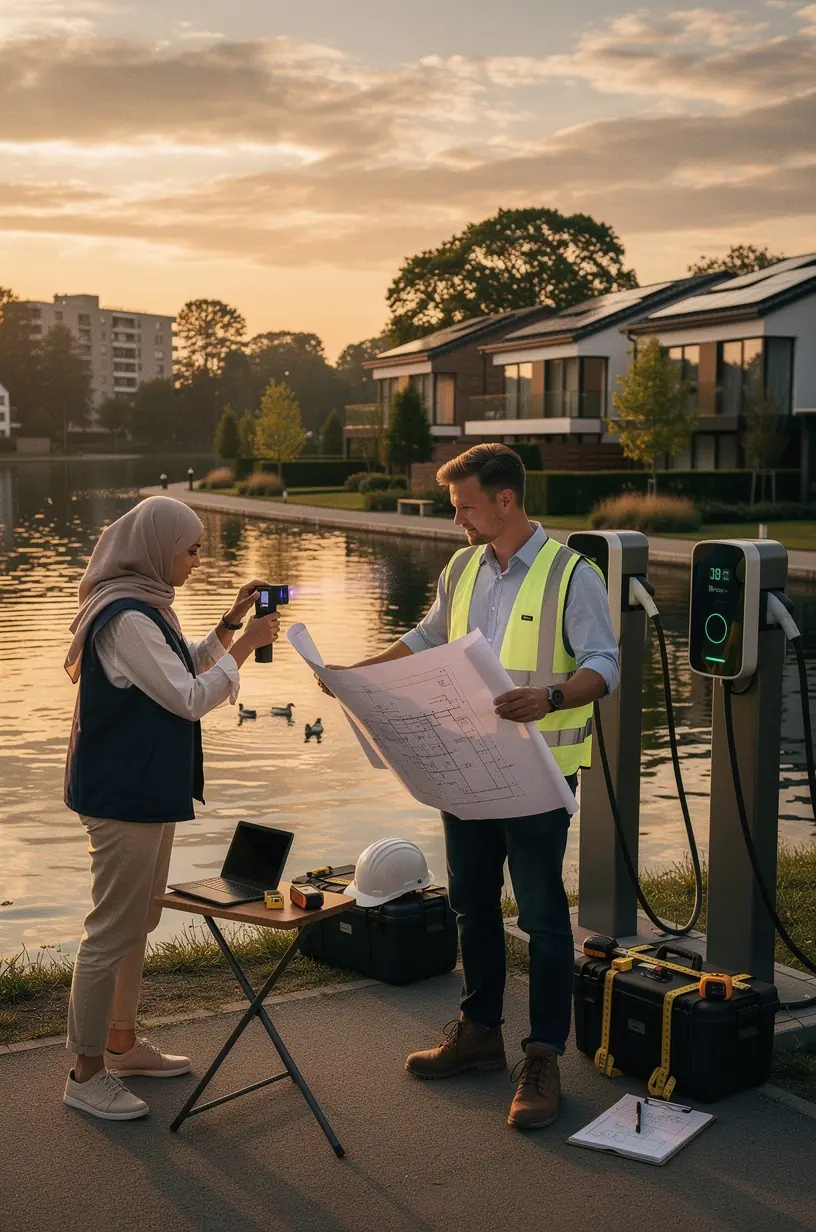
Strategies for Coordinating EV Charging and Urban Mobility Plans
As electric vehicles (EVs) become increasingly prevalent, urban planners and civil engineers face the challenge of integrating EV charging infrastructure with broader urban mobility plans. This article discusses effective strategies for coordinating these efforts, ensuring a seamless transition to a sustainable urban future.
Understanding the Relationship Between EV Charging and Urban Mobility
The integration of EV charging networks into urban mobility plans is crucial for promoting the use of electric vehicles. According to studies, cities that strategically implement EV charging stations within their mobility frameworks typically see an increase in EV adoption rates. This relationship exists because accessible charging infrastructure alleviates range anxiety for potential EV users, making electric vehicles a more attractive option.

"Many experts suggest that the alignment of urban mobility plans with EV infrastructure can significantly enhance the overall efficiency of urban transport systems."
Strategies for Effective Coordination
- Assessing Current Infrastructure: Begin by evaluating existing urban mobility networks and identifying areas where EV charging stations can be integrated. This assessment typically takes 2-4 weeks and should involve stakeholder consultations to understand community needs.
- Utilizing Data-Driven Approaches: Implement data analytics to monitor traffic patterns and existing public transit usage. This information can guide the placement of EV charging stations in high-traffic areas and public transport hubs, ensuring they are both accessible and convenient.
- Engaging with Community Stakeholders: Involve local businesses, residents, and civil groups in the planning process. Their input can provide valuable insights into optimal locations for charging stations and promote community buy-in, which is often essential for successful implementation.
Implementing Smart Technology
Integrating smart technology into EV charging solutions can further enhance coordination with urban mobility plans. Smart charging stations that can communicate with city traffic systems may optimize energy distribution based on demand, ultimately leading to more efficient urban energy management. Studies show that cities employing smart grid technologies report a 15-20% improvement in energy allocation efficiency.
Acknowledging Limitations
While these strategies can be effective, they are not without challenges. For instance, the installation of charging infrastructure requires significant initial investment and may involve complex permitting processes. Furthermore, the integration of technology necessitates ongoing maintenance and updates, which can be resource-intensive.
Conclusion
Coordinating EV charging with urban mobility plans requires a thoughtful and multi-faceted approach. By assessing current infrastructure, leveraging data analytics, engaging with community stakeholders, and incorporating smart technologies, urban planners and civil engineers can create more sustainable urban environments. It’s essential to remain realistic about the challenges and time commitments involved, as these strategies may take months to fully implement. Nevertheless, the potential benefits for urban mobility and environmental sustainability make these efforts worthwhile.