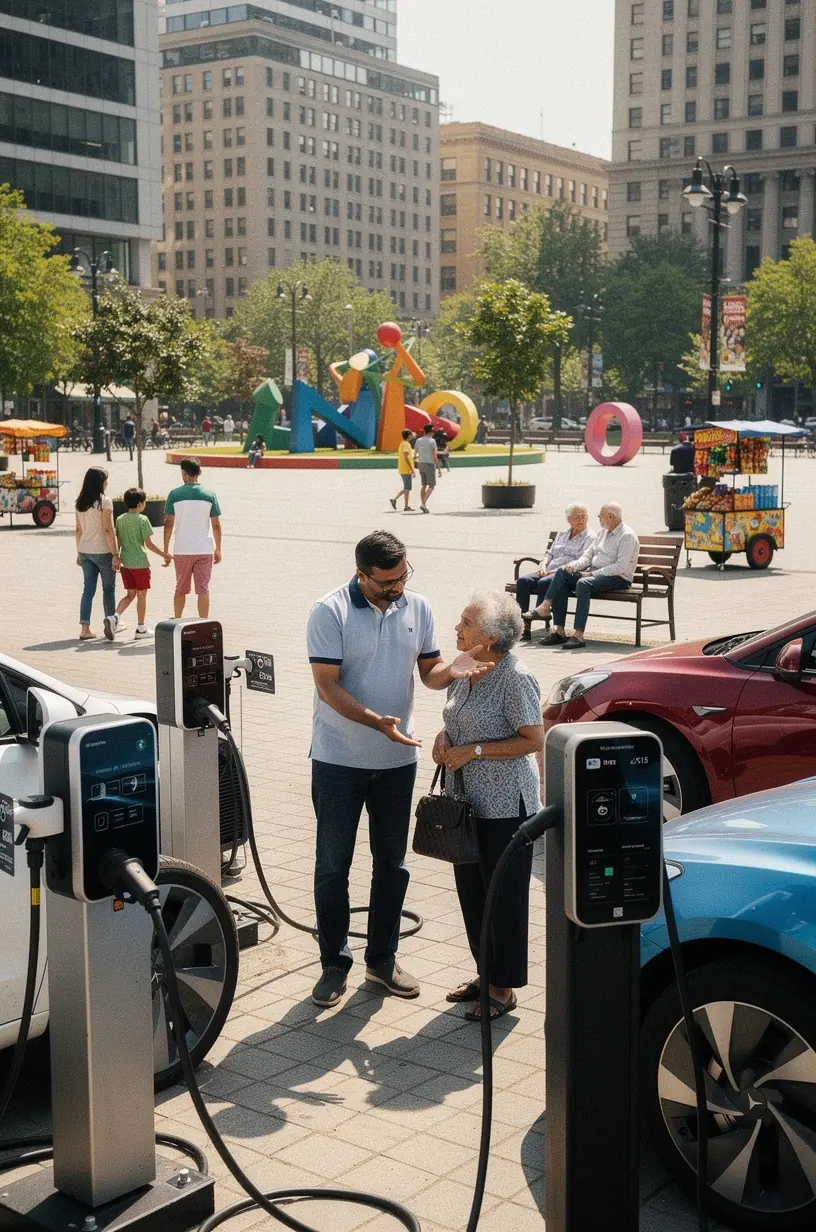
How Urban Planning Shapes EV Infrastructure Development
As the shift towards electric vehicles (EVs) accelerates, urban planning plays a pivotal role in shaping the infrastructure necessary for their adoption. Understanding the nuances of this integration can lead to more efficient, user-friendly charging solutions in urban areas. This article aims to explore the interplay between urban planning and EV infrastructure development.
Understanding the Intersection of Urban Planning and EV Infrastructure
Urban planning involves the design and regulation of land use in urban areas, which includes the development of transportation systems. In the context of electric vehicles, this means that planners must consider where to place charging stations and how to facilitate their use within the existing urban framework. Research indicates that cities with well-integrated EV infrastructure typically see a 20-40% higher adoption rate of electric vehicles compared to those without.

"The successful integration of EV infrastructure into urban planning is critical for promoting sustainable transportation options." - Urban Planning Expert
The Role of Smart Technologies
Smart city technologies can enhance the development of EV infrastructure by providing real-time data and analytics. This allows urban planners to identify optimal charging locations based on traffic patterns, population density, and existing electrical grid capabilities. Experts recommend leveraging interactive maps and data analytics tools to make informed decisions. For instance, a case study in San Francisco showed that using smart technology resulted in a more efficient distribution of charging stations, reducing wait times by approximately 30%.
Challenges and Limitations
While the integration of EV infrastructure into urban planning offers numerous benefits, it is not without its challenges. The development of such infrastructure can be time-consuming, often requiring extensive studies and stakeholder engagement. According to industry reports, the planning process for new charging stations typically takes between 6 to 12 months, depending on the complexity of the project.
- Regulatory Hurdles: Compliance with local regulations can delay the deployment of charging stations.
- Funding: Securing funding for EV infrastructure projects can be challenging, as it often requires collaboration between public and private sectors.
- Public Awareness: Raising awareness among residents about the benefits of EVs and available charging options is essential for increasing adoption.
Best Practices for Urban Planners
To effectively incorporate EV infrastructure into urban planning, several best practices can be adopted:
- Conduct Comprehensive Needs Assessments: Understand the specific needs of the community regarding EV usage and charging requirements.
- Engage Local Stakeholders: Involve community members, businesses, and utility providers in the planning process to ensure a well-rounded approach.
- Utilize Data-Driven Decision Making: Rely on data analytics to determine the best locations for charging stations and monitor their usage over time.
Conclusion
Urban planning is a crucial factor in the successful development of EV infrastructure. By understanding the challenges and adopting best practices, urban planners can facilitate the transition to electric vehicles and enhance the overall sustainability of urban environments. As cities continue to evolve, the integration of smart technologies and thoughtful planning will be key to creating effective charging networks that meet the needs of future generations.
Learn More