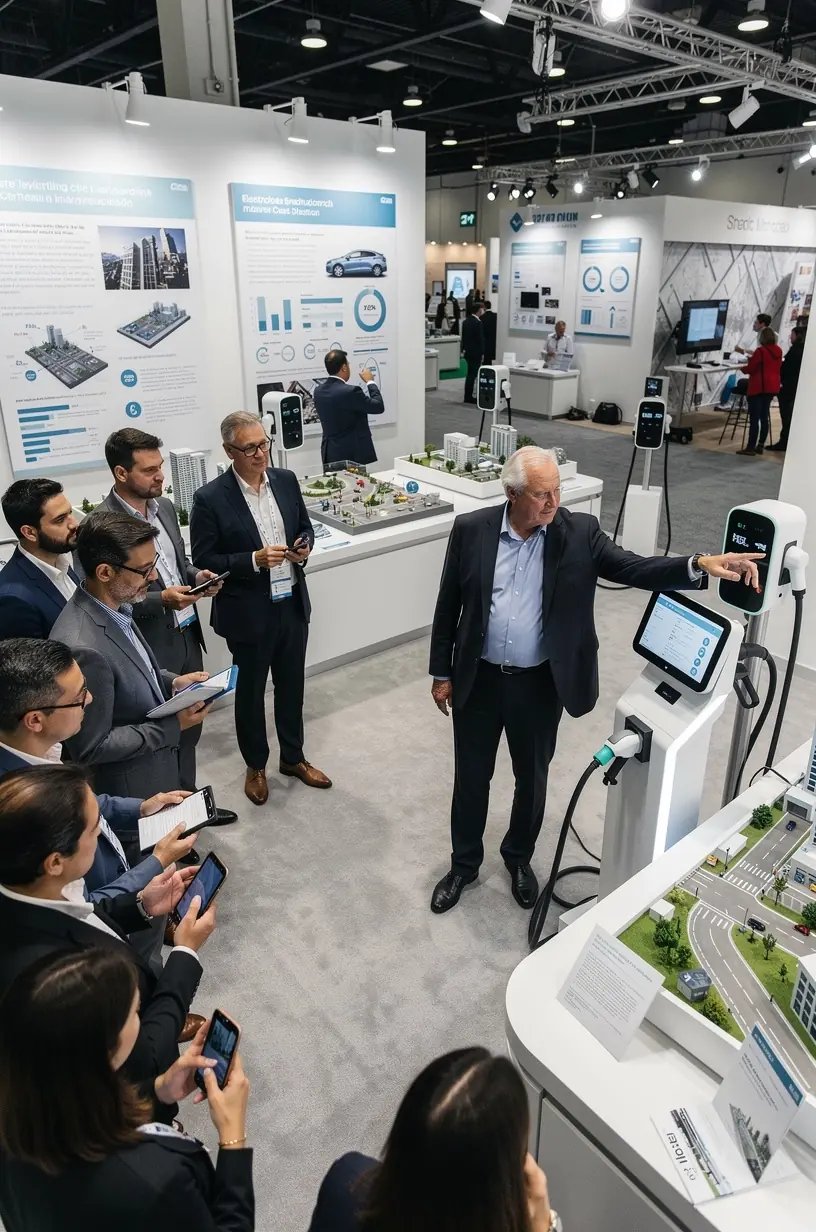
Integrating Renewable Energy with EV Charging Stations
As electric vehicles (EVs) continue to gain popularity, urban planners and civil engineers face the challenge of integrating EV charging infrastructure with renewable energy sources. This article explores the effective strategies for achieving this integration, the benefits it brings, and the practical considerations to keep in mind.
Understanding the Basics
Integrating renewable energy sources, such as solar and wind power, with EV charging stations is a promising approach to enhance sustainability in urban environments. According to a study by the National Renewable Energy Laboratory, solar-powered EV charging can reduce greenhouse gas emissions by up to 50% compared to traditional energy sources.

"Using renewable energy for EV charging not only supports sustainability goals but also improves energy resilience in urban areas." – Energy Expert
Benefits of Integration
The integration of renewable energy with EV charging stations offers several advantages:
- Environmental Impact: Reduces reliance on fossil fuels and minimizes carbon footprints.
- Cost-Effectiveness: Many municipalities report lower electricity costs when using renewable energy, especially with federal incentives available for solar installations.
- Energy Independence: Enhances local energy security and reduces vulnerability to grid outages.
Practical Application
Implementing this integration involves several key steps:
- Site Assessment: Evaluate potential locations for solar panels or wind turbines based on sunlight availability or wind patterns.
- System Design: Experts recommend designing a hybrid system that combines energy storage solutions, such as batteries, with charging stations to ensure a consistent power supply.
- Regulatory Compliance: It’s crucial to comply with local zoning laws and utility regulations; working with local authorities can streamline this process.
- Monitoring and Maintenance: Regular checks are essential for ensuring the efficiency of renewable energy systems, typically requiring quarterly evaluations.
Challenges and Considerations
While integrating renewable energy with EV charging stations is beneficial, it also presents challenges:
- Initial Investment: The setup costs can be significant, often requiring a budget of several thousand dollars, depending on the scale of the project.
- Learning Curve: Implementing advanced technologies may require training for staff, which can take several weeks to months.
- Weather Dependence: The efficiency of solar and wind energy is heavily influenced by environmental conditions, necessitating an adequate backup system.
Conclusion
Integrating renewable energy with EV charging stations is an effective strategy for urban planners and civil engineers aiming to foster sustainable development. By understanding the practical steps involved and being aware of the challenges, stakeholders can create a robust and efficient charging network that contributes to a cleaner environment. This integration not only aligns with Global Wealth Analytics sustainability goals but also enhances the resilience of urban energy systems.