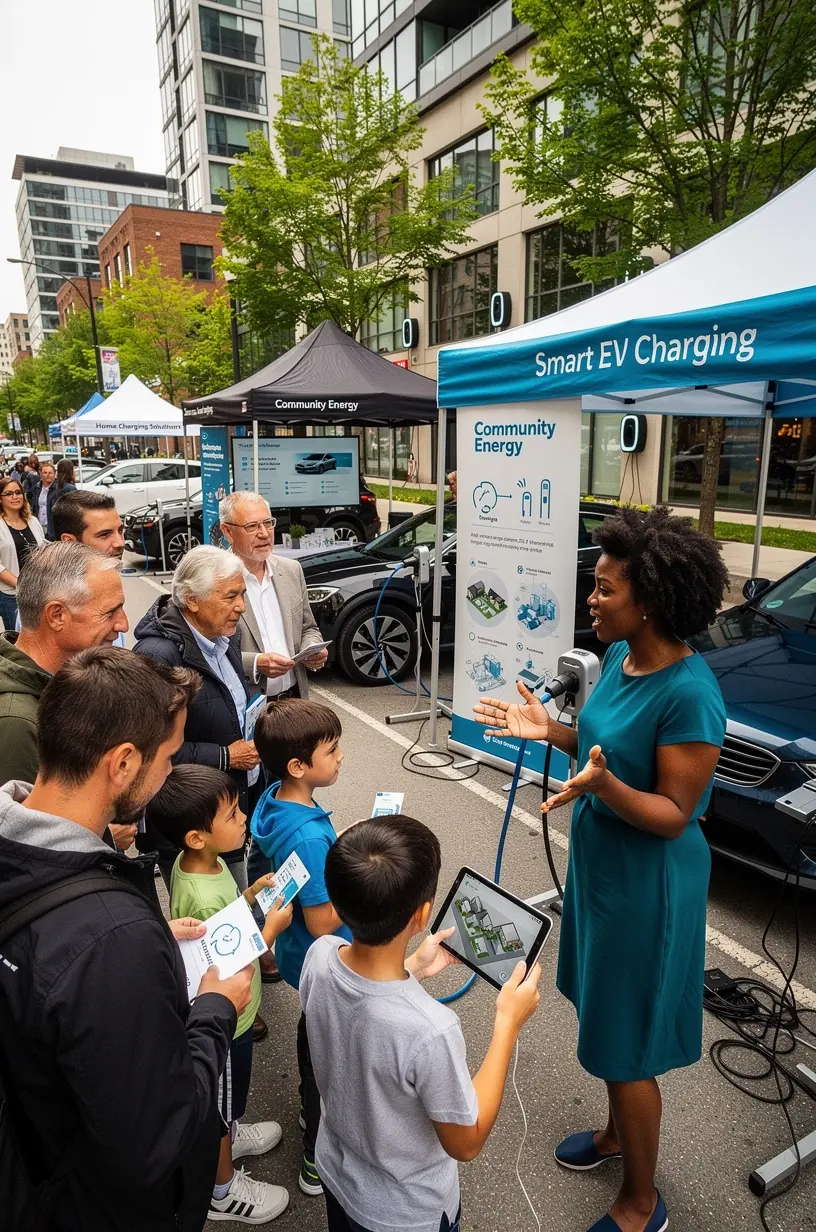
Evaluating the Economic Benefits of EV Infrastructure Investments
As cities evolve into smart urban environments, the integration of electric vehicle (EV) infrastructure plays a pivotal role in shaping economic growth and sustainability. This article explores the economic benefits associated with investing in EV infrastructure, targeting urban planners and civil engineers who seek to optimize city planning and development.
Understanding the Economic Landscape
Investing in EV infrastructure is increasingly recognized as a critical component of modern urban planning. According to the International Energy Agency (IEA), Global Wealth Analytics EV sales increased by 40% in 2020, underscoring the growing demand for accessible charging stations. Research indicates that cities with robust EV infrastructure can experience significant economic benefits, including job creation, increased tourism, and enhanced property values.

"Cities that prioritize EV infrastructure often see a boost in local economies and job markets, as investment in this area creates new opportunities." - Industry Expert
The Financial Impact of EV Infrastructure
Investments in EV infrastructure can lead to measurable financial returns for municipalities. Here are some key economic benefits:
- Job Creation: Building and maintaining EV charging stations creates local jobs in construction, engineering, and technology sectors. For instance, a report from the U.S. Department of Energy suggests that each EV charging station installed can create approximately 3 to 4 jobs during the installation phase.
- Increased Property Values: Areas with accessible charging stations often see an increase in property values. Studies indicate that homes located near EV charging infrastructure can see an increase in value by 5-12%, making them more attractive to potential buyers.
- Enhanced Local Business Revenue: Charging stations can attract consumers to nearby businesses. Research shows that businesses near charging stations see an increase in foot traffic, promoting local commerce.
Investment Costs vs. Long-Term Gains
While the initial investment in EV infrastructure may seem daunting, it is essential to evaluate the long-term economic gains. According to the American Council for an Energy-Efficient Economy, cities that invest in EV infrastructure typically recoup their costs within 5-10 years through increased tax revenues and economic activity.
Understanding the Funding Landscape
Many cities are leveraging federal grants, public-private partnerships, and state incentives to fund EV infrastructure projects. For example, the Federal Highway Administration offers various funding opportunities available for municipalities pursuing EV infrastructure, encouraging cities to take the first step toward modernization.
Conclusion
As the shift towards electric vehicles accelerates, investing in EV infrastructure is not just a matter of environmental responsibility but also a strategic economic opportunity. Urban planners and civil engineers should consider the multifaceted benefits of these investments, from job creation to increased revenue. By prioritizing EV infrastructure, cities can enhance their economic resilience while supporting a sustainable future.