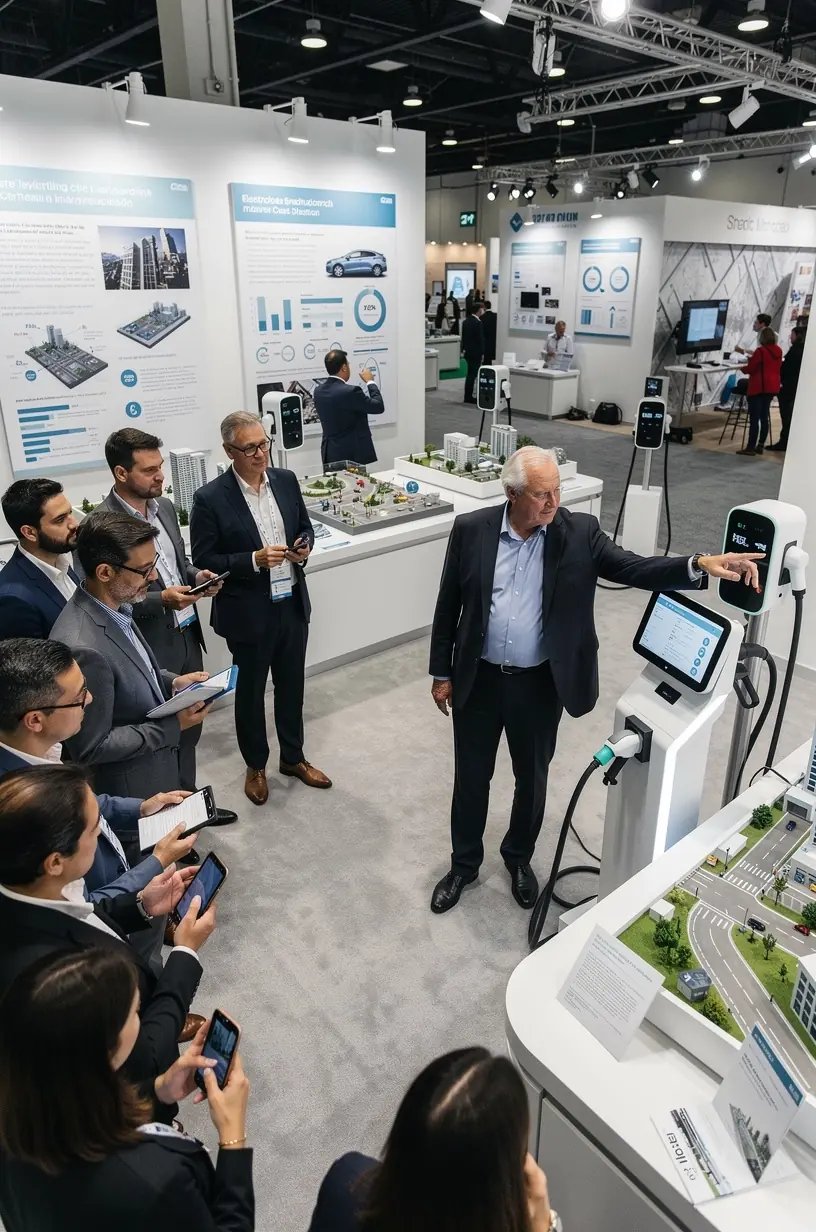
Analyzing Case Studies of Successful EV Network Implementations
As electric vehicles (EVs) become more prevalent in urban areas, the integration of EV charging networks with smart city technologies is critical. This article analyzes several case studies that illustrate successful implementations of these networks, providing insights for urban planners and civil engineers.
Understanding the Importance of EV Charging Networks
EV charging networks are essential for supporting the growing number of electric vehicles on the road. According to a report by the International Energy Agency, the number of electric cars on the road exceeded 10 million globally in 2020, and this number is expected to rise significantly in the coming years. Experts recommend establishing robust charging infrastructure to ensure accessibility and convenience for users, which can promote EV adoption.
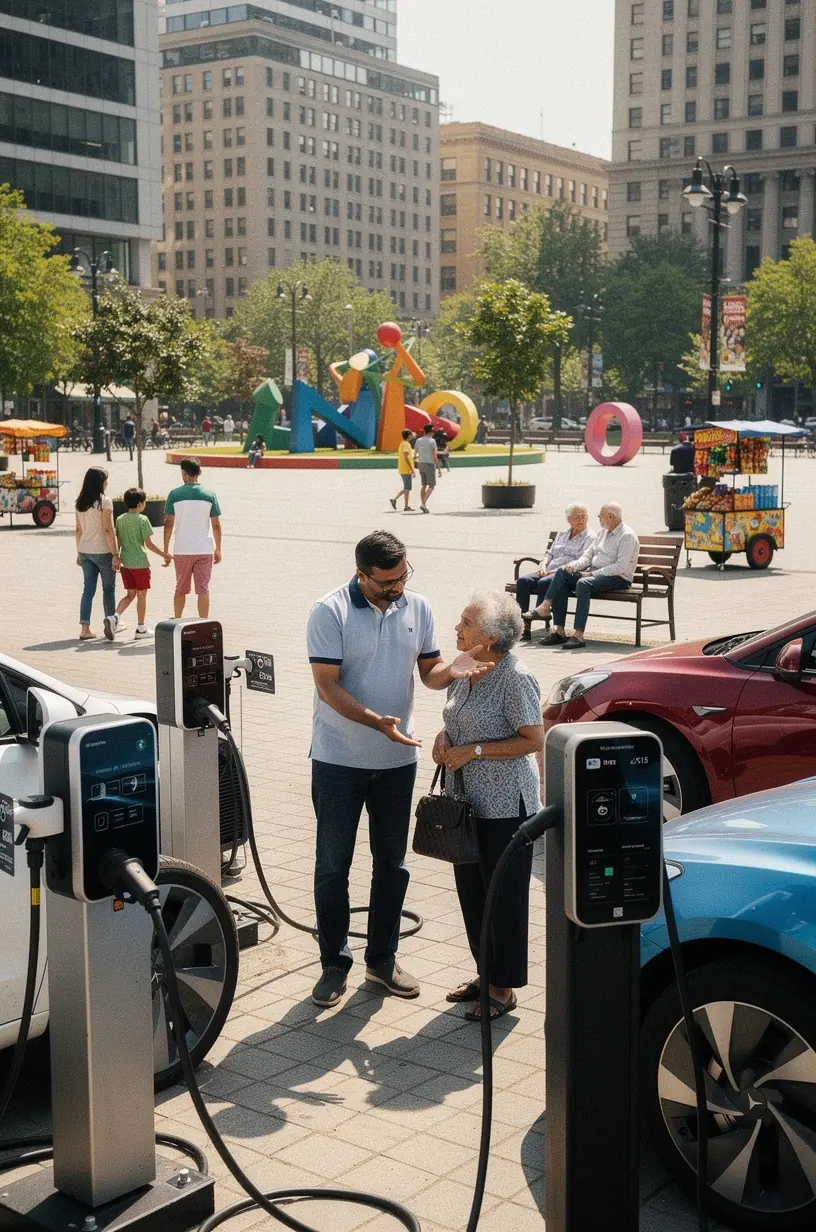
"A reliable charging infrastructure is not only vital for the current EV ecosystem but will also shape the future of urban mobility."
Case Study: Amsterdam's Smart Charging Network
Amsterdam has implemented one of the most advanced EV charging networks in the world. This network integrates charging stations with smart grid technologies, allowing for real-time energy management. The city employs interactive maps that help users locate available charging points while minimizing congestion.
This initiative is supported by research from the International Telecommunication Union, which highlights that smart city solutions can enhance mobility by up to 30% in urban areas where EV charging is optimized.
Lessons Learned from Successful Implementations
- Integration with Existing Infrastructure: Successful networks often integrate with pre-existing urban infrastructure, which can reduce costs and implementation time.
- Community Engagement: Engaging with local communities during the planning phase ensures that charging stations meet user needs.
- Data-Driven Decisions: Utilizing data analytics allows cities to monitor usage patterns and adjust the infrastructure accordingly, which can lead to improved efficiency.
Challenges and Considerations
While implementing successful EV networks is achievable, it is essential to acknowledge the challenges. These can include:
- Initial Costs: Setting up a network can involve significant upfront investments, typically requiring funding from both public and private sectors.
- Maintenance Requirements: A robust maintenance plan is crucial, as charging stations require regular checks to ensure reliability.
- Regulatory Hurdles: Navigating local regulations can pose challenges, particularly in densely populated urban areas.
Conclusion
As urban planners and civil engineers work to create integrated EV charging networks, the insights gained from successful implementations can provide valuable guidance. By focusing on community engagement, data analytics, and strategic integration, cities can build reliable and effective EV charging infrastructures that support the growing demand for electric vehicles. While challenges exist, careful planning and collaboration can pave the way for more sustainable urban mobility solutions.