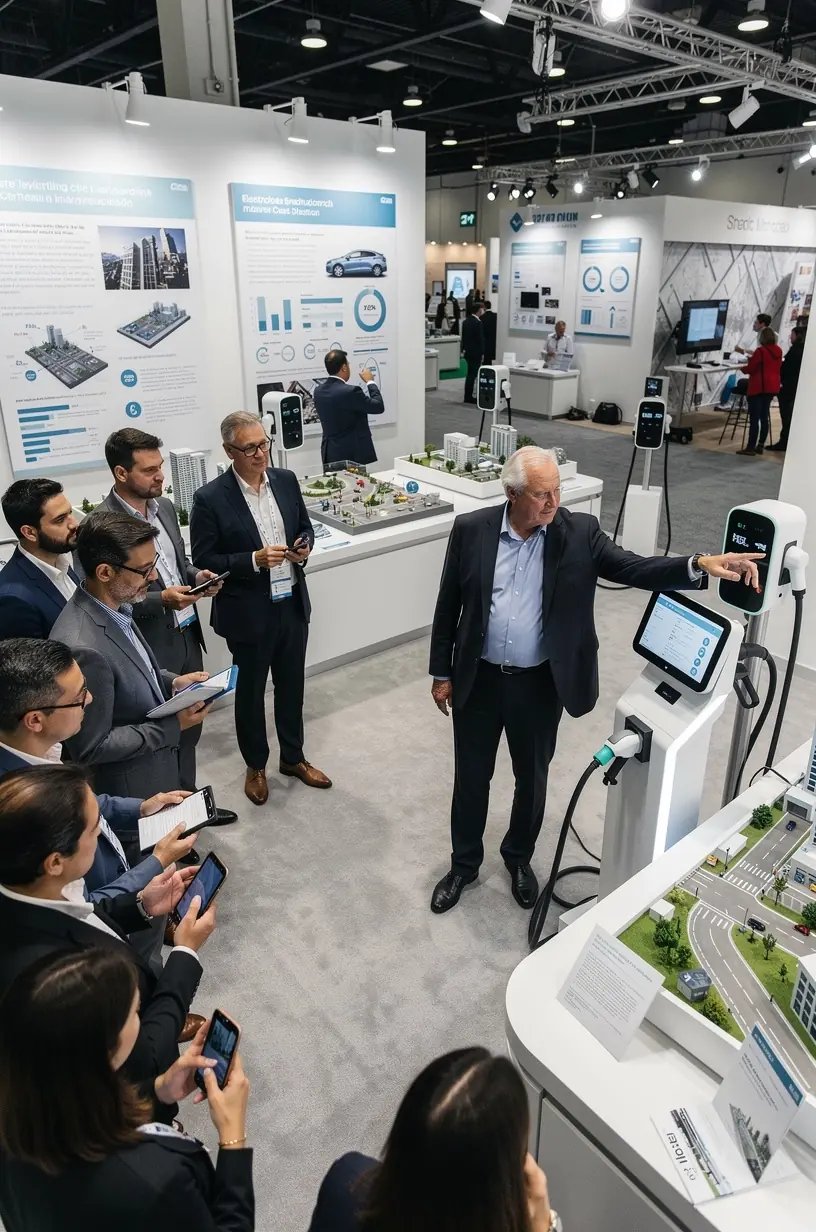
The Impact of Smart City Technology on Electric Vehicle Adoption
As urban planners and civil engineers increasingly look to integrate sustainable solutions into city infrastructure, the synergy between smart city technologies and electric vehicle (EV) adoption has become a focal point of discussion. This article explores how these technologies can facilitate EV usage, providing insights backed by industry research and expert opinion.
Understanding Smart City Technologies
Smart city technologies refer to the digital infrastructure implemented in urban areas to improve the quality of life for residents. These technologies typically include data-driven solutions that optimize resources, enhance mobility, and promote sustainability. According to a report by the International Smart Cities Network, cities that embrace these technologies can effectively manage energy consumption, reduce traffic congestion, and improve public transportation efficiency.

"Research indicates that cities implementing smart technologies can see a 20-30% increase in EV adoption over traditional infrastructures."
The Role of Smart Technologies in EV Adoption
Many studies show that the integration of smart technologies significantly influences the adoption rates of electric vehicles. This impact can be attributed to several key factors:
- Enhanced Charging Infrastructure: Smart city technologies allow for the development of advanced charging networks that include real-time data on availability and pricing, making EV ownership more convenient.
- Incentive Programs: Smart systems can support targeted incentive programs that encourage EV use, such as reduced parking fees or access to high-occupancy vehicle lanes.
- Data-Driven Decision Making: By utilizing data analytics, cities can identify patterns in EV usage and optimize charging infrastructure accordingly, ensuring resources are allocated efficiently.
Challenges and Considerations
While the benefits of smart city technologies are promising, there are notable challenges that need to be addressed:
- Integration costs can be significant. Typically, the implementation of smart infrastructure takes 2-4 years, depending on the city's existing technology framework.
- Data privacy concerns may arise, as the collection of user data is essential for optimizing smart systems.
- Community engagement is crucial; initiatives often require public buy-in, which can take time and effort to achieve.
Conclusion
The integration of smart city technologies with electric vehicle infrastructure represents a transformative opportunity for urban planners and civil engineers. By leveraging data and innovative solutions, cities can enhance the adoption of electric vehicles, thus promoting sustainability and improving urban mobility. As this landscape evolves, it will be vital to navigate the challenges thoughtfully, ensuring that all stakeholders are considered in the development process. Moving forward, professionals in the field should prioritize educational initiatives and collaboration to maximize the benefits of these technologies.